
Unlike traditional slots, chicken games put timing and nerve in your hands. Each successful hop increases your potential payout, but a single misstep ends the round and forfeits your stake. It is a blend of skill-based decision-making and pure chance, wrapped in bright visuals and often a dose of cartoon humour. In this guide, we explain how these games work, what separates one from another, and where beginners can practise without spending a penny.
Games tested: chicken games
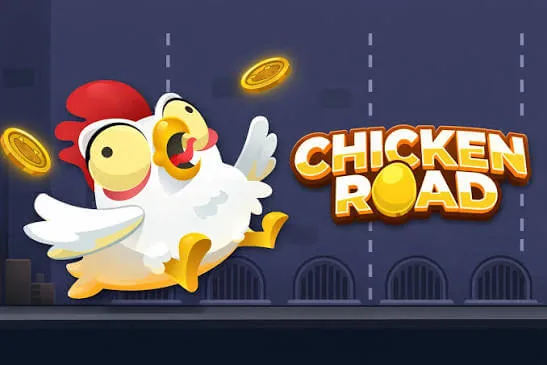
- Chicken Road — The original from InOut Games that established the genre's core mechanic and remains the most widely available.
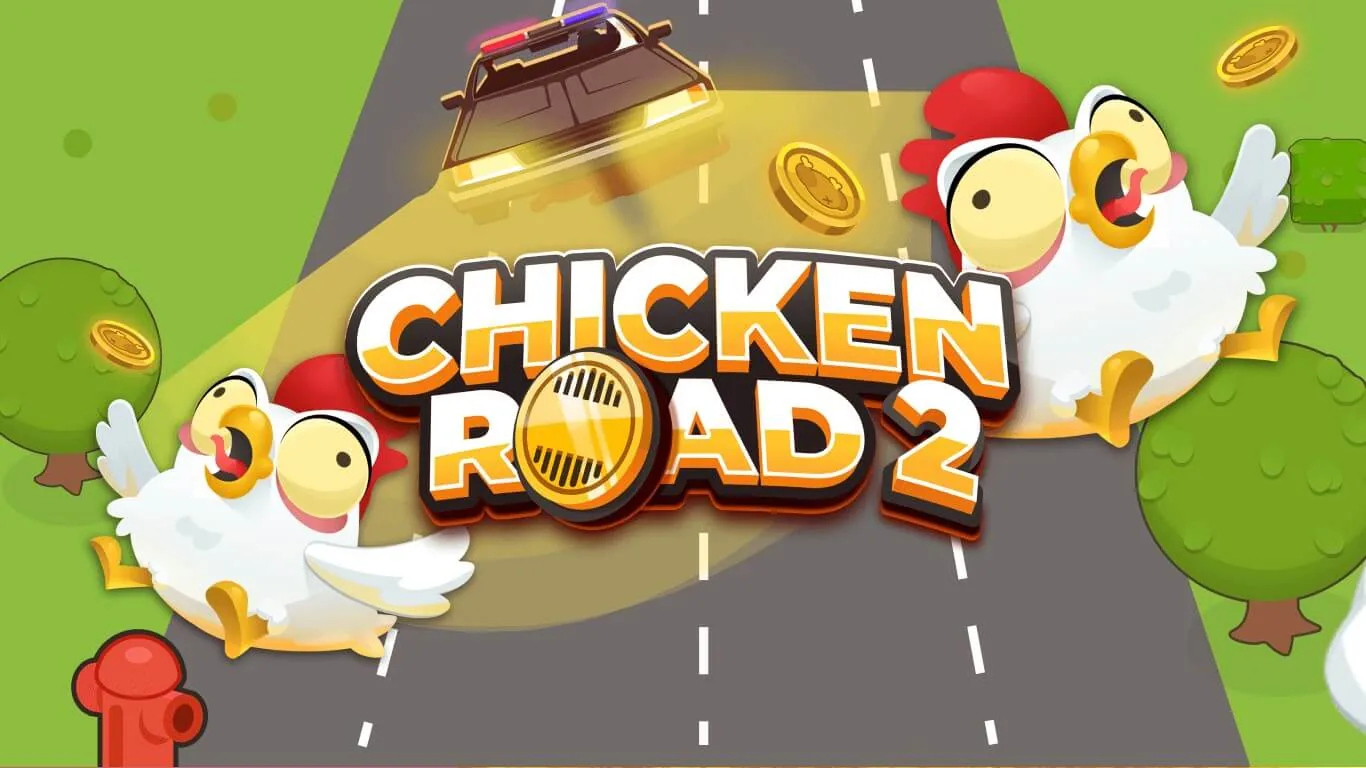
- Chicken Road 2 — Refines the formula with smoother animations and additional obstacle patterns for players who want a fresh challenge.
Comparison table
| Game | Provider | Principle | Who It Suits |
|---|---|---|---|
| Chicken Road | InOut Games | Cross lanes, cash out before a collision; steady multiplier climb | Beginners and players who prefer straightforward mechanics |
| Chicken Road 2 | InOut Games | Refined visuals and obstacle variety; same core loop | Fans of the original seeking a polished sequel |
What Is a Chicken Game?
A chicken game is a type of mini-game or instant-win title in which a cartoon chicken attempts to cross a grid of lanes, each populated by moving hazards—cars, logs, trains or other obstacles. The player's job is to choose when the chicken should advance to the next row. Every successful step forward multiplies the starting stake; every collision ends the round and loses the bet.
The mechanic borrows from the classic arcade game Frogger but adds a gambling layer: you can collect your winnings at any moment by cashing out, or you can gamble on another row in pursuit of a higher multiplier. The longer you survive, the larger the prize, but the risk of losing everything climbs in tandem. Most versions use provably fair algorithms to generate obstacle patterns, meaning the outcome is verifiably random—though random does not mean beatable.
Chicken games sit somewhere between slots and crash games. They require no complex strategy or card-counting, but they do demand a decision: stop now or continue. That element of player agency sets them apart from purely passive slots, even though the house edge remains firmly in place.
How Chicken Road and Its Variants Work
At the start of each round, you select a stake and press a button to send the chicken into the first lane. Obstacles scroll horizontally across the screen at varying speeds. Your task is to time the chicken's hop so it lands in a gap between hazards. If you succeed, the multiplier increases—typically by a fixed percentage per row—and you are presented with a choice: cash out and bank the multiplier, or advance to the next lane.
The difficulty usually escalates as you progress. Early rows might have wide gaps and slow-moving obstacles; later rows introduce faster traffic, narrower safe zones or multiple hazard types on a single lane. Some variants add bonus rows with static obstacles or rivers that require landing on moving logs. The exact progression depends on the game, but the principle remains consistent: each step forward raises both reward and risk.
Payouts are calculated by multiplying your original stake by the current multiplier when you cash out. For example, a £5 bet that survives five rows at a 1.2× multiplier per row would return £5 × 1.2⁵, or approximately £12.44. The theoretical return to player—the percentage paid back over millions of rounds—varies by title but typically sits in the range of ninety-four to ninety-seven per cent. That figure is an average: individual sessions can swing wildly, and there is no pattern or system that guarantees profit.
Choosing Between Chicken Road, Chicken Road 2 and Other Titles
The original Chicken Road from InOut Games established the template and remains the most recognisable name in the genre. It offers straightforward lane-crossing with a clean interface and a steady escalation curve. Chicken Road 2, also from InOut Games, iterates on the formula with updated graphics, smoother animations and a few additional obstacle configurations that keep the experience fresh for returning players. The core mechanic is unchanged, so if you enjoyed the first, the sequel will feel familiar.
When comparing chicken games, pay attention to the volatility and multiplier scaling. Some titles award smaller increments per row but allow deeper runs; others offer steeper multipliers but compress the grid into fewer rows. High-volatility versions suit players chasing big wins and willing to accept frequent losses, while low-volatility variants provide steadier—if smaller—payouts. Check the game's information panel or paytable for RTP, maximum multiplier and any special features such as bonus rounds or turbo mode.
Demo availability is another key factor. Reputable providers supply free-play versions that mirror the real-money experience, letting you test timing, volatility and interface before committing funds. If a casino or platform does not offer demos for its chicken games, consider that a red flag; transparency and player protection should be standard.
Classic Mistakes and How to Avoid Them
The most common error is mistaking player control for player advantage. Yes, you decide when to cash out, but that decision takes place inside a system designed to favour the house. Believing you can 'read' the obstacle patterns or develop a winning rhythm is a fast route to losses. The randomness is genuine; no amount of practice will turn chicken games into a reliable income stream.
Another pitfall is chasing losses by increasing stakes after a bad round. The temptation to 'win it back' is strong, especially when a single good run could recover earlier losses, but this approach accelerates bankroll depletion. Set a session budget before you start, and walk away when it is spent. Chicken games are entertainment with a cost, not an investment opportunity.
Finally, many players underestimate the psychological pressure of the cash-out decision. It is easy to plan a cautious strategy in theory—say, always cashing out at row five—but harder to stick to it when the multiplier is climbing and one more row looks tantalisingly safe. Decide your exit point in advance and honour it, or use the auto-cashout feature if the game provides one. Discipline matters more than reflexes.
Where to Practise and Play Responsibly
Most partner casinos that host InOut Games titles will offer demo modes for Chicken Road and Chicken Road 2. These free-play versions use virtual credits and replicate the full game experience, including the same RTP and obstacle logic. Demos are the ideal training ground: you can experiment with different cash-out thresholds, get a feel for timing, and decide whether the game suits you—all without risking real money.
When you do play for real stakes, choose a licensed, reputable online casino that displays its regulatory credentials and offers responsible gambling tools. Set deposit limits, use session reminders, and never gamble with money you cannot afford to lose. Chicken games, like all gambling products, are designed to generate a profit for the operator over time. Entertainment value is the only realistic return.
If you find yourself chasing losses, playing to escape stress, or spending more than you intended, step back. Organisations such as GamCare and BeGambleAware provide free, confidential support for anyone concerned about their gambling. This is a game, not a solution, and recognising when to stop is the most important skill of all. Players must be eighteen or over.
Frequently asked questions
Can I win consistently at chicken games?
No. The house edge ensures that over time, players lose more than they win. Individual sessions vary, but there is no strategy or pattern that overcomes the built-in disadvantage.
What does provably fair mean?
Provably fair is a cryptographic method that lets you verify each round's randomness after it completes. It confirms the result was not manipulated, but it does not improve your odds or guarantee fairness in the colloquial sense.
Should I play Chicken Road or Chicken Road 2?
Both use the same core mechanic. Chicken Road 2 offers updated graphics and slightly more varied obstacles, so try demos of each and pick the one that feels more enjoyable. Neither has a meaningful edge over the other.